
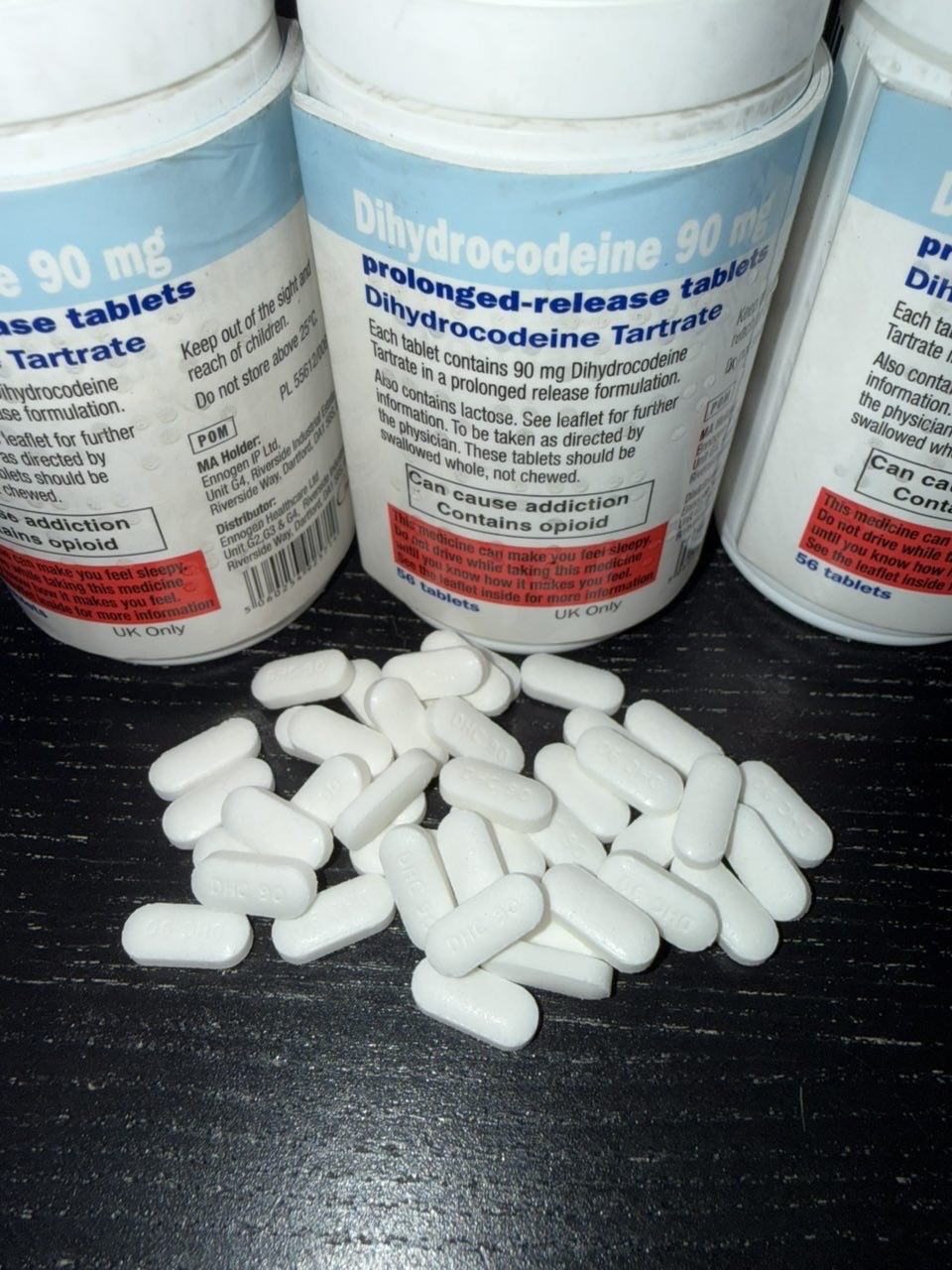


Buy Dihydrocodeine Pills: Your Complete Guide to Effective Pain Management
Chronic and acute pain can disrupt every aspect of daily life. Therefore, finding a reliable medication is essential for restoring comfort and functionality. Consequently, many patients and healthcare providers turn to dihydrocodeine, a potent semi-synthetic opioid analgesic. Dihydrocodeine is widely recognized for its efficacy in managing moderate to moderately severe pain. In addition, it serves as an effective antitussive in specific clinical scenarios. However, purchasing this medication requires careful consideration of legal, medical, and safety factors. Thus, this guide provides comprehensive information for those seeking to buy dihydrocodeine pills responsibly.
What is Dihydrocodeine Pill?
Dihydrocodeine belongs to the opioid class of drugs, similar to codeine but approximately twice as potent. For instance, a 30 mg dose of dihydrocodeine provides pain relief comparable to 60 mg of codeine. The medication is typically formulated as immediate-release or sustained-release tablets. Moreover, it works by binding to mu-opioid receptors in the central nervous system. This binding action inhibits the transmission of pain signals, thereby altering the brain’s perception of discomfort.
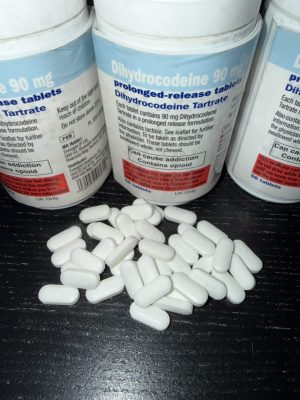
Specifically, dihydrocodeine is prescribed for:
-
Post-operative pain management
-
Dental pain and extractions
-
Traumatic injuries such as fractures or burns
-
Chronic conditions like osteoarthritis or lower back pain
-
Severe cough that does not respond to non-opioid therapies
These indications have been established through clinical trials and decades of medical use. As a result, dihydrocodeine remains a preferred option for patients who cannot tolerate stronger opioids like morphine or oxycodone.
Why Choose Dihydrocodeine Over Other Painkillers?
First, dihydrocodeine offers a balanced efficacy-to-side-effect profile. Unlike non-steroidal anti-inflammatory drugs (NSAIDs), gastrointestinal irritation is less frequently observed with dihydrocodeine. Second, it provides more potent analgesia than codeine without the same level of sedation as morphine. Third, its oral bioavailability is consistently high, ranging from 20% to 30%, so predictable dosing is achievable.
Furthermore, dihydrocodeine combines well with other non-opioid analgesics. For example, many patients use it alongside paracetamol or ibuprofen for multimodal pain relief. This synergistic approach is often recommended by pain specialists. On the other hand, dependence and tolerance remain valid concerns, hence medical supervision is mandatory.
Important Safety Information Before You Order Dihydrocodeine Online
Potential users should be thoroughly informed about contraindications and warnings. Before purchasing, consult a licensed healthcare professional. Dihydrocodeine is not suitable for everyone. Specifically, avoid this medication if you have:
-
Severe respiratory depression or chronic obstructive pulmonary disease (COPD)
-
Acute asthma attacks or upper airway obstruction
-
Paralytic ileus or known gastrointestinal obstruction
-
Known hypersensitivity to dihydrocodeine or other opioids
-
Concurrent use of monoamine oxidase inhibitors (MAOIs) within 14 days
Additionally, dihydrocodeine must be used with extreme caution in patients with:
-
Head injuries or increased intracranial pressure (due to respiratory depression risk)
-
Liver or kidney impairment (dose adjustment may be required)
-
Hypothyroidism, adrenal insufficiency, or prostatic hypertrophy
-
A history of alcohol or substance use disorder
Thus, a full medical history should be disclosed to your prescribing physician.
Dosage Guidelines: How to Take Dihydrocodeine Pills Correctly
Standard dosing regimens are determined by the patient’s age, weight, and pain severity. Generally, for adults with moderate pain, the typical immediate-release dose is 30 mg every four to six hours as needed. However, the maximum daily dose should not exceed 240 mg without specialist supervision. For sustained-release formulations, 60 mg to 120 mg every twelve hours is common.
First and foremost, follow the exact instructions provided by your pharmacist or doctor. Do not crush, chew, or break extended-release tablets, as this can cause rapid release and fatal overdose. Similarly, avoid consuming alcohol while taking dihydrocodeine, because central nervous system depression is dangerously amplified.
If a dose is missed, take it as soon as you remember. Nevertheless, skip the missed dose if your next scheduled dose is near. Never double doses are advised to prevent toxicity.
90 mg Dihydrocodeine Potential Side Effects Dihydrocodeine: What to Expect
Like all opioids, dihydrocodeine may cause side effects. Most adverse effects are dose-dependent and manageable. Common side effects (affecting 1–10% of users) include:
-
Constipation (most frequent, occurring in up to 40% of patients)
-
Nausea and vomiting (especially during initial dosing)
-
Drowsiness, dizziness, or lightheadedness
-
Dry mouth and headache
-
Sweating or mild euphoria
Less common but serious side effects require immediate medical attention:
-
Respiratory depression (slow, shallow, or irregular breathing)
-
Severe hypotension or bradycardia
-
Allergic reactions (rash, swelling, anaphylaxis)
-
Adrenal insufficiency or serotonin syndrome (when combined with other serotonergic drugs)
Patients should be counseled on recognizing these symptoms. Moreover, long-term use can lead to physical dependence. Therefore, a gradual tapering plan should be implemented when discontinuing therapy.
How to Buy Dihydrocodeine Pills
The legality of dihydrocodeine varies by jurisdiction. In the United Kingdom, dihydrocodeine is a Class B controlled substance under the Misuse of Drugs Act 1971. Similarly, in the United States, it is a Schedule II or III drug depending on formulation. Thus, a valid prescription is required in most countries.
To buy dihydrocodeine pills online safely, follow these steps:
-
Obtain a prescription from a registered medical practitioner after an in-person or telehealth consultation.
-
Use only licensed online pharmacies verified by regulatory bodies such as the General Pharmaceutical Council (GPhC) in the UK or the National Association of Boards of Pharmacy (NABP) in the US.
-
Verify the pharmacy’s credentials before entering personal or payment information. Red flags such as no prescription requirement or prices far below market average should be recognized.
-
Check for secure payment gateways (HTTPS, SSL certificates) and transparent return policies.
-
Review product labeling upon delivery. The medication should arrive in sealed, original packaging with batch numbers and expiration dates.
For instance, reputable platforms like Boots UK, LloydsPharmacy, or Well Pharmacy offer regulated online prescription services. In contrast, unregulated websites selling pills without a prescription often distribute counterfeit or contaminated products. Serious harm has been reported from such purchases.
Cost and Insurance Coverage for Purchase Dihydrocodeine Pills Online
Pricing is influenced by formulation, dosage strength, and pharmacy location. On average, a pack of 28 dihydrocodeine 30 mg tablets costs between £8 and £15 in the UK under private prescription. In the US, generic dihydro-codeine bitartrate may range from $30 to $80 for 60 tablets, depending on insurance.
Moreover, many health insurance plans cover dihydro-codeine when prescribed for a recognized medical condition. However, prior authorization may be required. Additionally, patient assistance programs exist for low-income individuals. Discount cards like GoodRx can also reduce out-of-pocket expenses.
Therefore, compare prices across licensed pharmacies before making a purchase. Nevertheless, never compromise safety for a lower price.

Drug Interactions: What to Avoid
Significant interactions have been documented between dihydro-codeine and other central nervous system depressants. For example, combining dihydrocodeine with benzodiazepines (e.g., diazepam, alprazolam) increases the risk of severe sedation, respiratory depression, coma, and death. Similarly, alcohol, antihistamines, antipsychotics, and muscle relaxants amplify these effects.
Furthermore, dihydro-codeine should not be used with MAOIs or within 14 days of stopping them, as hypertensive crisis or serotonin toxicity may occur. Other interactions include:
-
CYP2D6 inhibitors (e.g., fluoxetine, paroxetine, bupropion) – reduce conversion to active metabolite, decreasing efficacy
-
CYP3A4 inducers (e.g., rifampicin, carbamazepine) – accelerate metabolism, lowering pain relief
-
Diuretics and antihypertensives – additive hypotensive effects
Thus, provide your doctor with a complete list of all medications, supplements, and herbal products you use. Drug interaction screening should be performed before starting Pill.
Dihydrocodeine Tablets Managing Tolerance and Dependence
Over time, the body adapts to dihydro-codeine, requiring higher doses to achieve the same effect. This phenomenon is known as tolerance. Additionally, physical dependence develops, meaning withdrawal symptoms occur upon abrupt cessation. To minimize these risks:
-
Use the lowest effective dose for the shortest necessary duration
-
Do not escalate doses without medical approval
-
Schedule regular medication reviews with your prescriber
-
Consider non-opioid alternatives or adjuvants (e.g., gabapentin, amitriptyline) for chronic pain
If dependence occurs, a supervised tapering regimen must be followed. For instance, reduce the daily dose by 10–20% every one to two weeks. In severe cases, medication-assisted treatment with buprenorphine or methadone may be offered.
Storage and Disposal Instructions
Proper storage conditions are critical for maintaining drug stability and preventing misuse. Keep dihydrocodeine pills in their original container at room temperature (15–30°C), away from moisture and direct light. Additionally, store them in a locked cabinet out of reach of children and pets.
For disposal, unused or expired dihydrocodeine should never be flushed down the toilet or thrown in household trash. Instead, use a drug take-back program or pharmacy mail-back envelope. If no program is available, mix the pills with an unpalatable substance (e.g., used coffee grounds or cat litter), seal in a plastic bag, and discard in household trash. This method is recommended by the FDA to prevent accidental or intentional misuse.
Frequently Asked Questions (FAQs)
1. Can I buy dihydrocodeine pills over the counter?
No. Dihydrocodeine is classified as a prescription-only medicine (POM) in most countries. Thus, a valid prescription from a licensed prescriber is mandatory.
2. How long does dihydrocodeine take to work?
Immediate-release tablets typically begin working within 30 to 60 minutes, with peak effects at 1.5 to 2 hours. On the other hand, sustained-release versions take 2 to 4 hours to reach full effect.
3. Is dihydrocodeine stronger than tramadol?
Potency comparisons are complicated by individual metabolism. Generally, dihydro-codeine is considered roughly equipotent to tramadol for pain relief, but tramadol has additional serotonin-norepinephrine reuptake inhibition properties.
4. Can I drive after taking dihydrocodeine?
No. Dihydro-codeine impairs mental and physical abilities required for driving or operating machinery. Patients are strongly advised to avoid such activities until they know how the drug affects them.
5. What should I do in case of overdose?
Emergency medical assistance should be sought immediately. Symptoms of overdose include pinpoint pupils, respiratory depression, extreme drowsiness, and loss of consciousness. Naloxone (Narcan) can reverse overdose if administered promptly.
Why Buy Dihydrocodeine Pills?
dihydrocodeine is a valuable tool for managing moderate to moderately severe pain when used responsibly. Its efficacy and safety have been demonstrated through decades of clinical experience. However, potential risks including dependence, respiratory depression, and drug interactions cannot be ignored. Therefore, always consult a healthcare provider before starting treatment.
To buy dihydrocodeine pills legally and safely, obtain a valid prescription and purchase only from licensed pharmacies. Furthermore, adhere strictly to prescribed dosages, monitor for side effects, and never share your medication with others. Finally, dispose of unused pills properly to protect your family and the environment.
By following these guidelines, effective pain relief can be achieved while minimizing harm. As a result, you can regain control over your pain and your life—safely and confidently.
8 reviews for BUY DIHYDROCODEINE PILLS 90 MG ONLINE
Add a review
Related products
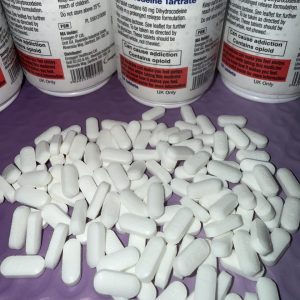

BUY DIHYDROCODEINE PILLS ONLINE
Richard D. –
Shipping was super quick
Randy K. –
They were easy to use I love them all
Corrine C. –
I have tried many Pills for sleep and Dihydrocodeine pills works best for me so far. The price beats the competition
Olga S. –
Ordering & shipping very easy. Didn’t take long for delivery
Paul T. –
Great for pain
Eric H. –
The shipping and delivery on these were on time the product is great I definitely recommend them they’re good for relaxing and and mostly good for a great night’s sleep
Raquel C. –
No issues with getting the product.
Ron A. –
I use them for my back pain. So I can relax. They work very well.