
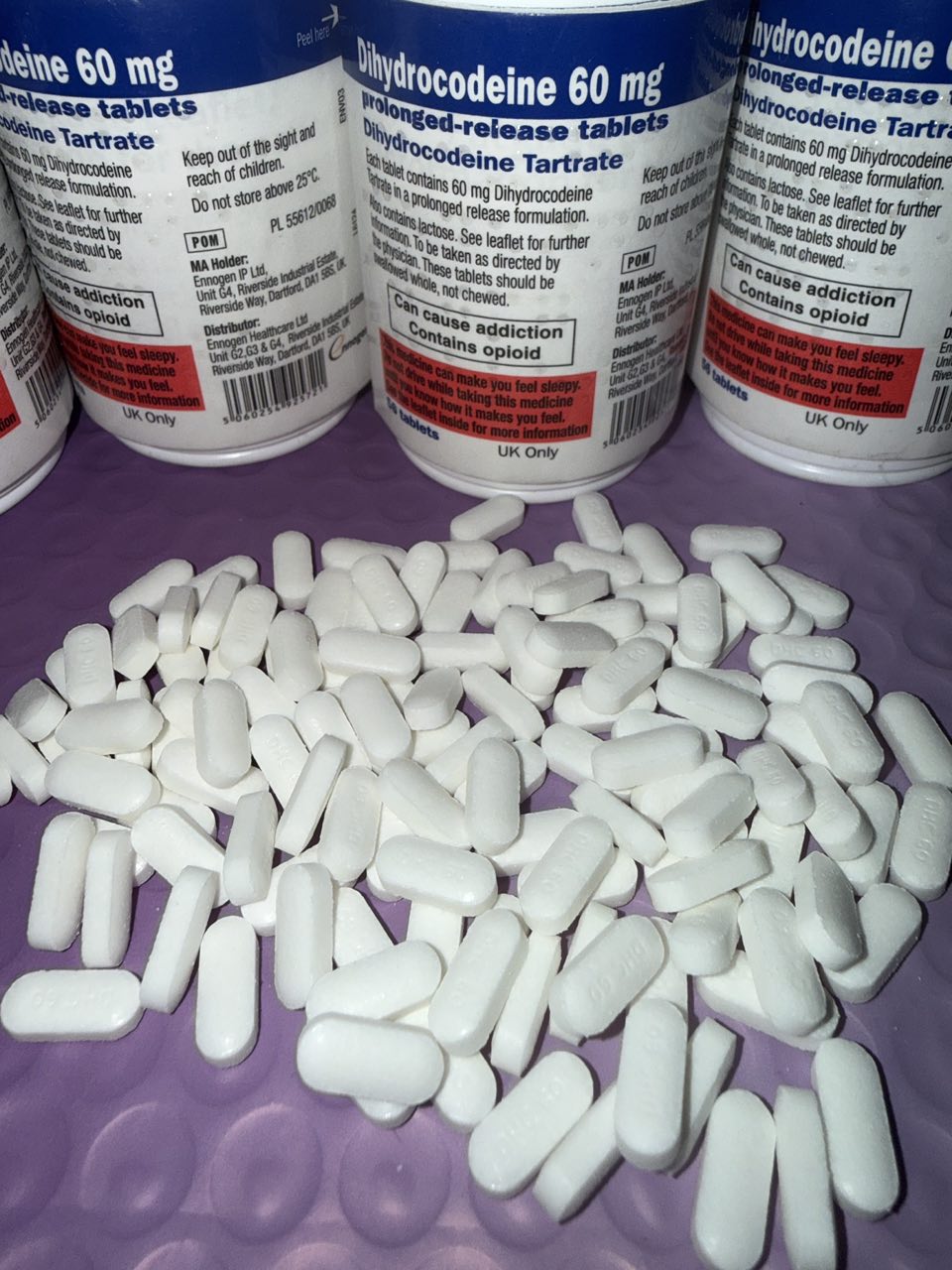
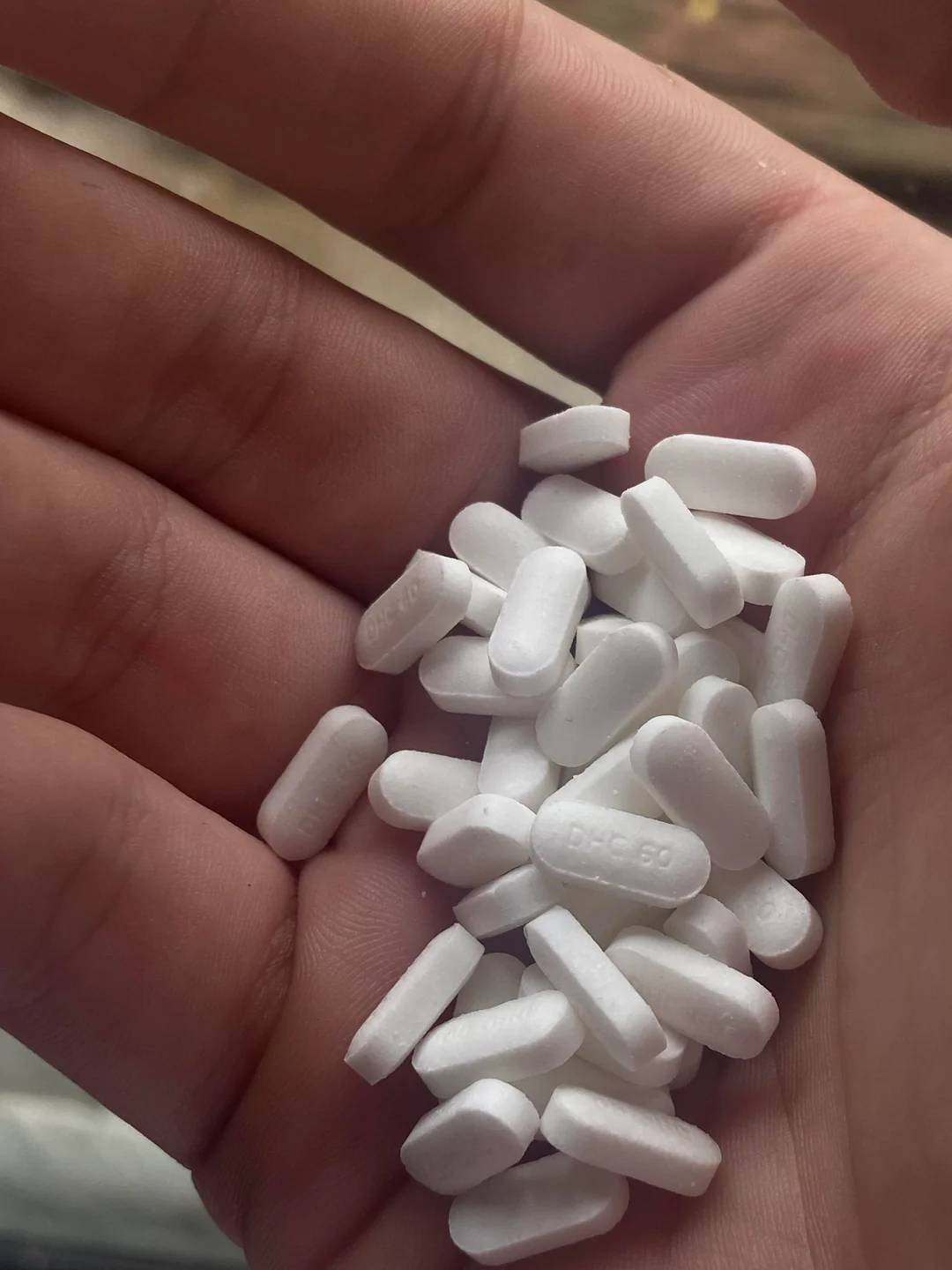

Purchase Dihydrocodeine 60mg Pills Online – Buy Dihydrocodeine 60mg for Chronic Pain
Why Buy Dihydrocodeine 60mg Online Is a Cornerstone of Modern Pain Management?
Chronic and acute pain can devastate quality of life. Therefore, finding a reliable, potent analgesic is critical. Consequently, many physicians and patients rely on dihydrocodeine, a semi-synthetic opioid known for its robust efficacy. Dihydrocodeine 60 mg tablets are specifically formulated for moderate to moderately severe pain that does not respond to lower strengths. In addition, this dosage offers a longer duration of action compared to 30mg versions. However, purchasing these higher-strength pills requires even greater responsibility. Thus, this guide provides everything you need to know before you purchase dihydrocodeine 60mg pills legally and safely.
What Is Dihydrocodeine 60mg Pill?
Dihydrocodeine belongs to the opioid class of analgesics, similar to codeine but approximately twice as potent per milligram. For instance, a 60mg dihydrocodeine tablet provides pain relief comparable to 120mg of codeine or roughly 10mg of morphine orally. *The 60mg strength is typically formulated as a sustained-release or prolonged-action tablet.* Moreover, this design allows for twice-daily dosing, improving compliance and sleep quality. Specifically, the medication works by binding to mu-opioid receptors in the central nervous system, thereby blocking pain signals and altering emotional response to discomfort.
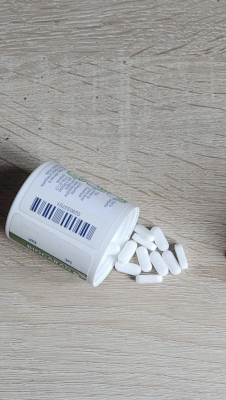
Dihydrocodeine 60mg pills are indicated for:
-
Severe osteoarthritis and rheumatoid arthritis
-
Chronic lower back pain unresponsive to NSAIDs
-
Neuropathic pain components (as part of multimodal therapy)
-
Post-surgical pain after major procedures (e.g., joint replacement)
-
Cancer-related pain in opioid-naïve or tolerant patients
As a result, this strength bridges the gap between mild opioids like codeine and strong opioids like morphine or oxycodone.
Key Advantages of Choosing Dihydrocodeine 60mg Over Alternatives
First, the 60mg sustained-release formulation provides consistent, round-the-clock pain relief. Fluctuations in plasma levels are minimized compared to immediate-release products. Second, it has a lower incidence of severe sedation than morphine at equianalgesic doses. Third, its oral bioavailability is predictable (approximately 20–30%), so dosing adjustments are straightforward.
Furthermore, dihydrocodeine produces less histamine release than morphine, thus reducing itching and hypotension. For example, patients with opioid-induced pruritus often tolerate dihydrocodeine better. On the other hand, tolerance and physical dependence still develop, hence medical supervision is non-negotiable.
Another significant advantage is its antitussive property. Therefore, patients with painful cough from lung cancer or COPD obtain dual benefits.
Critical Safety Information Before You Purchase Dihydrocodeine 60mg Pills
Potential purchasers must be thoroughly screened for contraindications. Before buying, consult a licensed healthcare professional. Dihydrocodeine 60mg is not suitable for everyone. Specifically, avoid this medication if you have:
-
Severe respiratory depression or end-stage COPD
-
Acute asthma attack or upper airway obstruction
-
Paralytic ileus or known gastrointestinal obstruction
-
Known hypersensitivity to dihydrocodeine or other opioids
-
Concurrent use of monoamine oxidase inhibitors (MAOIs) within 14 days
-
Raised intracranial pressure or head injury (risk of masked neurological signs)
Additionally, dihydrocodeine 60mg must be used with extreme caution in patients with:
-
Liver cirrhosis or severe renal impairment (dose reduction or extended intervals needed)
-
Hypothyroidism, adrenal insufficiency (Addison’s disease), or myxedema
-
Prostatic hypertrophy or urethral stricture (risk of urinary retention)
-
A history of alcohol or substance use disorder (higher abuse potential)
-
Epilepsy or seizure disorders (opioids can lower seizure threshold)
Thus, a full medical history should be disclosed to your prescribing physician. Failure to do so can result in serious harm.
Correct Dosage and Administration for Dihydrocodeine 60mg
Standard dosing regimens are individualized based on prior opioid exposure. Generally, for opioid-tolerant adults, the typical sustained-release dose is one 60mg tablet every 12 hours. However, opioid-naïve patients should start with 30mg every 12 hours and titrate upward. The maximum daily dose should not exceed 240mg without specialist supervision.
First and foremost, swallow the tablet whole. Do not crush, chew, dissolve, or break it. Rapid release of the entire 60mg dose is caused by crushing, leading to fatal overdose. Similarly, avoid alcohol entirely while taking dihydrocodeine 60 mg, because central nervous system depression is dangerously amplified, and the sustained-release mechanism can be disrupted.
If a dose is missed, take it as soon as you remember, provided it is at least 8 hours before the next dose. Nevertheless, skip the missed dose if your next scheduled dose is within 4 hours. Never double doses are advised to prevent toxicity. For patients on twice-daily dosing, maintain a consistent 12-hour interval.
Potential Side Effects Dihydrocodeine 60mg: What to Expect
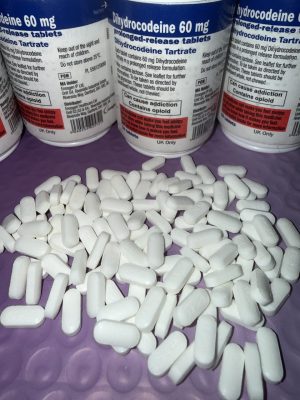
Like all opioids, dihydrocodeine 60mg may cause dose-dependent side effects. Most adverse effects are manageable with supportive care. Common side effects (affecting 5–15% of users) include:
-
Constipation (most frequent – occurs in up to 50% at this strength)
-
Nausea and vomiting (especially during initial titration)
-
Drowsiness, dizziness, or lightheadedness
-
Dry mouth and headache
-
Sweating, mild euphoria, or dysphoria
Less common but serious side effects require immediate medical attention:
-
Respiratory depression (slow, shallow, or irregular breathing – a medical emergency must be declared)
-
Severe hypotension or bradycardia
-
Allergic reactions (rash, swelling, anaphylaxis)
-
Adrenal insufficiency (fatigue, weight loss, low blood pressure)
-
Serotonin syndrome (when combined with other serotonergic drugs – confusion, fever, muscle rigidity)
Patients should be counseled on recognizing these symptoms before starting therapy. Moreover, long-term use leads to tolerance and physical dependence. Therefore, a gradual tapering plan should be implemented when discontinuing therapy – never stop abruptly.
How to Legally and Safely Purchase Dihydrocodeine 60mg Pills
The legality of dihydrocodeine 60mg is strictly regulated worldwide. In the United Kingdom, dihydrocodeine is a Class B controlled substance under the Misuse of Drugs Act 1971. Similarly, in the United States, it is a Schedule II drug when in pure form or sustained-release formulation. Thus, a valid prescription is required in all developed nations.
To purchase dihydrocodeine 60mg pills online safely, follow these steps:
-
Obtain a valid prescription from a registered medical practitioner – either in-person or via a regulated telehealth platform.
-
Use only licensed online pharmacies verified by regulatory bodies: General Pharmaceutical Council (GPhC) in the UK, National Association of Boards of Pharmacy (NABP) in the US, or equivalent in your country.
-
Verify the pharmacy’s credentials before entering any personal or payment information. Red flags such as “no prescription required” or prices far below market average should be recognized as signs of illegality.
-
Check for secure payment gateways (HTTPS, SSL certificates, trust seals) and transparent return policies.
-
Inspect the product upon delivery. The medication should arrive in sealed, original packaging with batch numbers, expiration dates, and patient information leaflets.
For instance, reputable platforms like Boots UK, LloydsPharmacy, Well Pharmacy, CVS, or Walgreens offer regulated online prescription services. In contrast, unregulated websites selling dihydrocodeine without a prescription often distribute counterfeit pills containing fentanyl, caffeine, or inert fillers. Serious harm and death have been reported from such purchases.
Cost, Insurance, and Affordability of Dihydrocodeine 60mg
Pricing is influenced by brand, pharmacy, and insurance coverage. On average, a pack of 56 dihydrocodeine 60mg sustained-release tablets (28-day supply) costs between £25 and £45 in the UK under private prescription. In the US, generic dihydrocodeine bitartrate 60mg may range from $60 to $150 for 60 tablets, depending on pharmacy and insurance.
Moreover, many health insurance plans cover dihydrocodeine when prescribed for a recognized chronic pain condition. However, prior authorization and step therapy (trying lower-cost opioids first) may be required. Additionally, patient assistance programs exist for low-income individuals or those without insurance. Discount cards like GoodRx or SingleCare can reduce out-of-pocket expenses significantly.
Therefore, compare prices across licensed pharmacies before making a purchase. Nevertheless, never compromise safety for a lower price – counterfeit pills are rampant online.
Critical Drug Interactions to Avoid
Significant interactions have been documented between dihydrocodeine 60mg and other central nervous system depressants. For example, combining dihydrocodeine with benzodiazepines (e.g., diazepam, alprazolam, clonazepam) increases the risk of severe sedation, respiratory depression, coma, and death – this combination is now the subject of FDA boxed warnings. Similarly, alcohol, barbiturates, antihistamines, antipsychotics, and muscle relaxants amplify these effects.
Furthermore, dihydrocodeine should not be used with MAOIs (phenelzine, tranylcypromine) or within 14 days of stopping them, as hypertensive crisis, hyperpyrexia, or serotonin toxicity may occur. Other critical interactions include:
-
CYP2D6 inhibitors (fluoxetine, paroxetine, bupropion, quinidine) – reduce conversion to the active metabolite dihydromorphine, decreasing analgesic efficacy.
-
CYP3A4 inducers (rifampicin, carbamazepine, phenytoin, St. John’s wort) – accelerate metabolism, potentially leading to withdrawal or inadequate pain relief.
-
CYP3A4 inhibitors (ketoconazole, clarithromycin, grapefruit juice) – increase dihydrocodeine levels, raising toxicity risk.
-
Diuretics and antihypertensives – additive hypotensive effects may cause symptomatic low blood pressure.
Thus, provide your doctor with a complete list of all medications, supplements, and herbal products. Drug interaction screening should be performed before starting dihydrocodeine 60mg.
Managing Tolerance, Dependence, and Withdrawal
Over time, the body adapts to dihydrocodeine 60mg, requiring higher doses to achieve the same effect. This phenomenon is known as tolerance. Additionally, physical dependence develops, meaning withdrawal symptoms occur upon abrupt cessation. To minimize these risks:
-
Use the lowest effective dose for the shortest necessary duration – re-evaluate every 3–6 months.
-
Do not escalate doses without medical approval – self-titration is dangerous.
-
Schedule regular medication reviews with your prescriber – including urine drug screens in high-risk patients.
-
Consider non-opioid alternatives or adjuvants (gabapentinoids, duloxetine, amitriptyline) for chronic pain.
-
Implement “opioid holidays” or dose reduction periods if clinically feasible.
If dependence occurs, a supervised tapering regimen must be followed. For instance, reduce the daily dose by 10–20% every one to two weeks. In severe cases, medication-assisted treatment with buprenorphine or methadone may be offered through specialized clinics. Withdrawal symptoms include anxiety, insomnia, muscle aches, diarrhea, and dilated pupils – these are unpleasant but rarely life-threatening unless severe dehydration occurs.
Safe Storage and Disposal of Dihydrocodeine 60 mg
Proper storage conditions are critical for maintaining drug stability and preventing diversion. Keep dihydrocodeine 60mg pills in their original child-resistant container at room temperature (15–30°C), away from moisture, heat, and direct light. Additionally, store them in a locked cabinet – out of reach of children, pets, and visitors. Theft and accidental poisoning are common when storage is lax.
For disposal, unused or expired dihydrocodeine should never be flushed down the toilet or thrown in household trash (except via FDA-authorized flush list for opioids). Instead, use a drug take-back program (often at local police stations or pharmacies) or a pharmacy mail-back envelope. If no program is available, mix the pills with an unpalatable substance (used coffee grounds, cat litter, dirt), seal in a plastic bag, and discard in household trash. This method is recommended by the FDA to prevent accidental or intentional misuse.
Dihydrocodeine Tablets Frequently Asked Questions (FAQs)
1. Can I purchase dihydrocodeine 60mg pills over the counter?
No. *Dihydrocodeine 60mg is a prescription-only medicine (POM) in all regulated markets.* Thus, a valid prescription from a licensed prescriber is mandatory – online or in-person.
2. How long does dihydrocodeine 60mg sustained-release take to work?
Peak plasma levels occur approximately 4–6 hours after ingestion, with onset of pain relief within 1–2 hours. On the other hand, the full sustained-release effect builds over 2–3 days of regular dosing.
3. Is dihydrocodeine 60mg stronger than tramadol 100mg?
Potency comparisons are complicated by individual CYP2D6 metabolism. Generally, 60mg dihydrocodeine is roughly equivalent to 100–150mg tramadol for pain relief, but tramadol has additional serotonin-norepinephrine reuptake inhibition properties.
4. Can I drive after taking dihydrocodeine 60mg?
No. Dihydrocodeine 60mg impairs mental and physical abilities required for driving or operating machinery. Patients are strongly advised to avoid such activities for at least 48 hours after starting or changing dose. Driving under the influence of opioids is illegal and dangerous.
5. What should I do in case of overdose?
Emergency medical assistance should be sought immediately by calling 911 (US) or 999 (UK). Symptoms of overdose include pinpoint pupils, respiratory depression (less than 8 breaths per minute), extreme drowsiness progressing to unresponsiveness, and blue lips/nails. Naloxone (Narcan) can reverse overdose if administered promptly – carrying naloxone is recommended for all patients on 60mg doses.
Why Order Dihydrocodeine Online?
In summary, dihydrocodeine 60mg pills are a powerful and effective option for managing moderate to severe chronic pain when used responsibly. Their efficacy and safety have been demonstrated through decades of clinical experience. However, potential risks including dependence, respiratory depression, tolerance, and fatal drug interactions cannot be ignored – these are magnified at the 60mg strength. Therefore, always consult a healthcare provider before starting or changing treatment.
To purchase dihydrocodeine 60mg pills legally and safely, obtain a valid prescription and buy only from licensed pharmacies – never from unregulated online vendors. Furthermore, adhere strictly to prescribed dosages, monitor for side effects, never share your medication, and store it securely. Finally, dispose of unused pills properly through a take-back program.
By following these guidelines, effective high-strength pain relief can be achieved while minimizing harm to yourself and your community. As a result, you can regain control over severe pain – safely, legally, and confidently.
5 reviews for BUY DIHYDROCODEINE 60 MG PILLS ONLINE FOR SALE NEAR YOU
Add a review
Related products
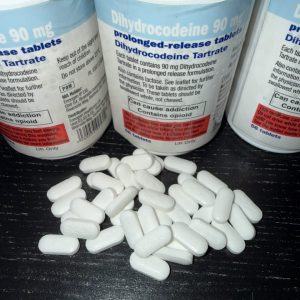

BUY DIHYDROCODEINE PILLS ONLINE
Rex M. –
bought the PAIN and also SLEEP Pills, and thus far work great !
Fernando B. –
Hello my friends I love your products
Jacob G. –
Wasn’t sure at first but what a surprise I wished I knew about you first. I will be reordering. Thanks
Slovia G. –
Dihydrocodeine Pill is the best.
Josey H. –
Helps for my pain relief is the best! I am very happy with the two types that I purchased. So much so, I’ll be buying all of the products available. The process was easy, the delivery quick and the quality is great. I’ll be back for more.